
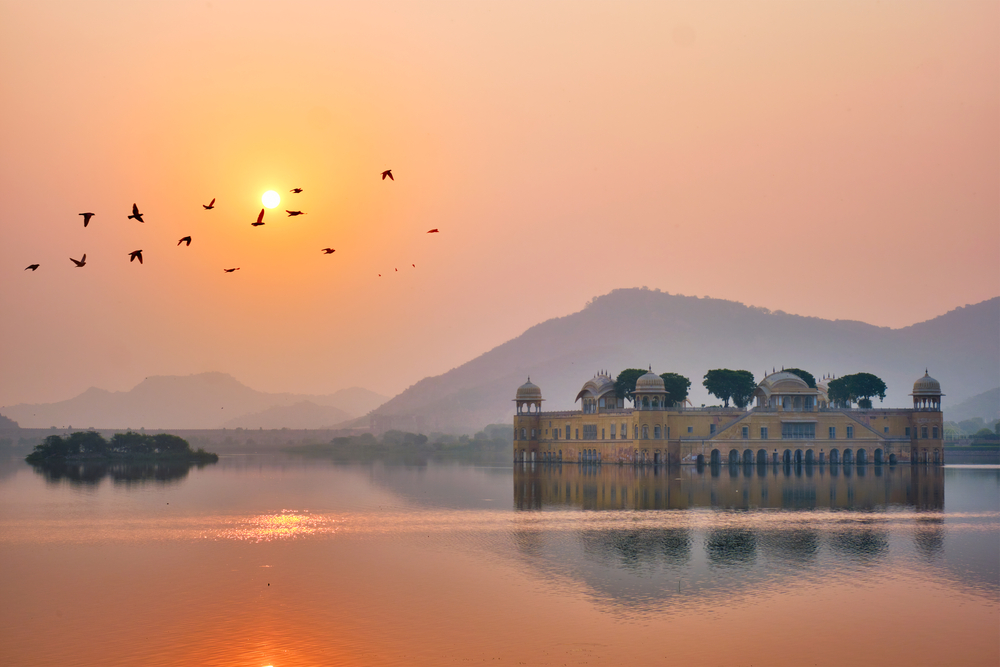
From royal palaces and ancient forts to heritage villages and hidden corners, this is The Travelling Divas Edit of one of India’s most captivating states.
You can’t conquer Rajasthan with a checklist.
The forts have earned every accolade they get, and the palaces really are as spectacular as the photographs suggest. That’s only half the story, though. The Rajasthan we love shows up in a quiet village, around a dinner table, beside an ancient stepwell, in a conversation with someone whose family has called this state home for generations.
After several journeys through the region, we’ve noticed a pattern: it’s rarely the places on the itinerary that stay with you. It is an unplanned lunch or a laneway you turned down on a whim, or the village where life moves slowly. These end up mattering just as much as the landmarks.
If we were introducing someone to Rajasthan for the first time, here’s where we’d send them. Some of these places are world-famous and others are the kind of extraordinary that hasn’t made it onto most people’s radar yet. Together, they capture what keeps pulling us back.
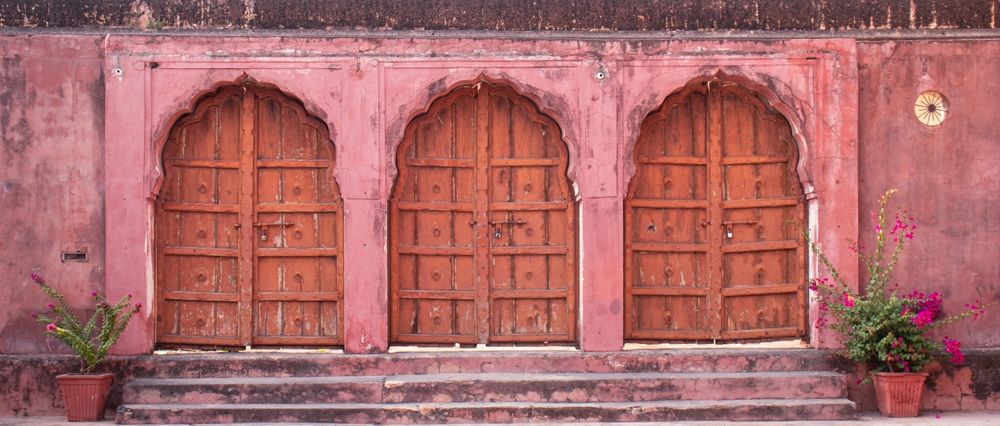
Jaipur – Where Rajasthan Introduces Itself
If Rajasthan had a front door, it would be Jaipur.
Known as the Pink City, Jaipur blends royal history with contemporary India without much effort at all. Wander through the City Palace, stand beneath the honeycomb windows of the Hawa Mahal, then turn a corner and find master artisans bringing textiles to life, jewellery ateliers open to browsers and a handwoven piece so intricate you can’t picture the hands that made it.
Amber Fort has deservedly earned its reputation — arrive early, before the crowds arrive and the courtyards, mirrored halls and views across the Aravalli Hills are hard to beat. But Jaipur rewards you just as well once you put the map away. Colourful bazaars, hidden courtyards, quiet temples, a city that has celebrated craftsmanship and style for longer than most.
The Travelling Divas Edit
Bar Palladio – One of Jaipur’s most elegant places for a pre-dinner cocktail, tucked within the gardens of Narain Niwas Palace.
Rambagh Palace – Even if you’re not staying here, dinner or afternoon tea offers a beautiful glimpse into Jaipur’s royal heritage.
Anokhi Museum of Hand Printing – A quieter and less obvious stop that celebrates Rajasthan’s block-printing traditions and the artisans who continue to preserve them.
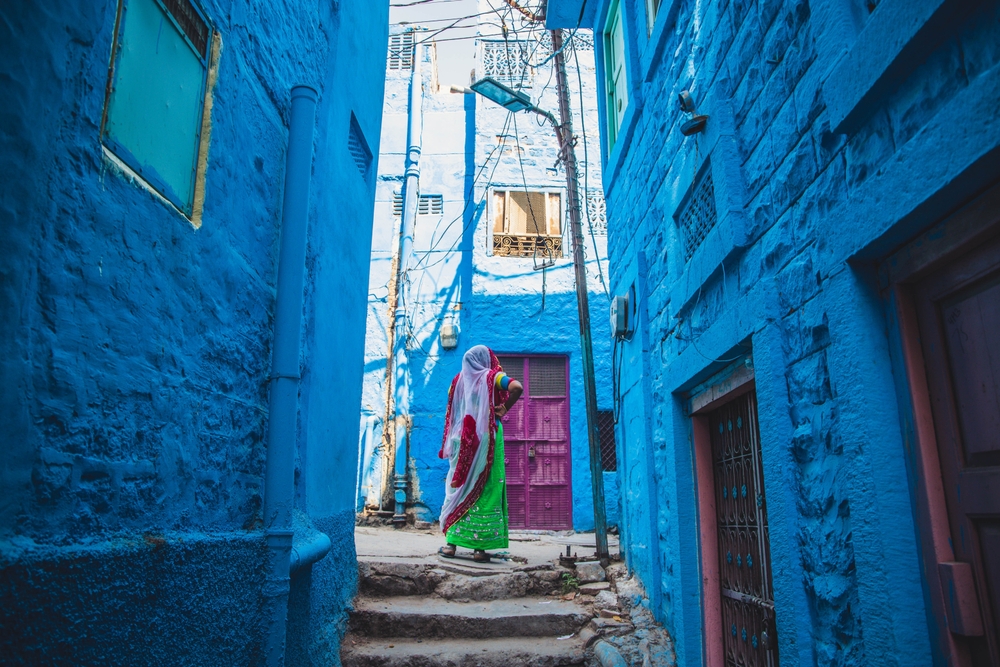
Jodhpur – Beyond the Blue Houses
The view from Mehrangarh Fort, looking out across Jodhpur’s sea of indigo rooftops, is one of the defining images of Rajasthan. There’s a reason it ends up on every postcard.
The real magic starts once you step down into the old city itself, though. Wander the narrow lanes surrounding the fort, visit the restored Toorji Ka Jhalra stepwell and find a rooftop café and watch the Blue City stretch out below you. History, colour and daily life all unfold on top of one another beneath one of India’s most imposing forts.
Travel can get more personal here, too. Organisations like the Sambhali Trust offer a way to understand the lives of local women through the education, vocational training and craft work they support.
Jodhpur has strong ties to polo as well — you can watch the ponies train from January through September, and if you want to catch an actual match, the season runs through December.
This is a city with layers, and once you start peeling them back you’ll want more.
The Travelling Divas Edit
Mehrangarh Fort – Give yourself time beyond the main viewpoints. The interiors, courtyards and museum collections hold their own against the view.
Toorji Ka Jhalra – A beautifully restored stepwell surrounded by cafés, small boutiques and the everyday rhythm of the old city.
Sambhali Trust – A meaningful way to learn about the women and girls this organisation supports through education, skills development and employment.
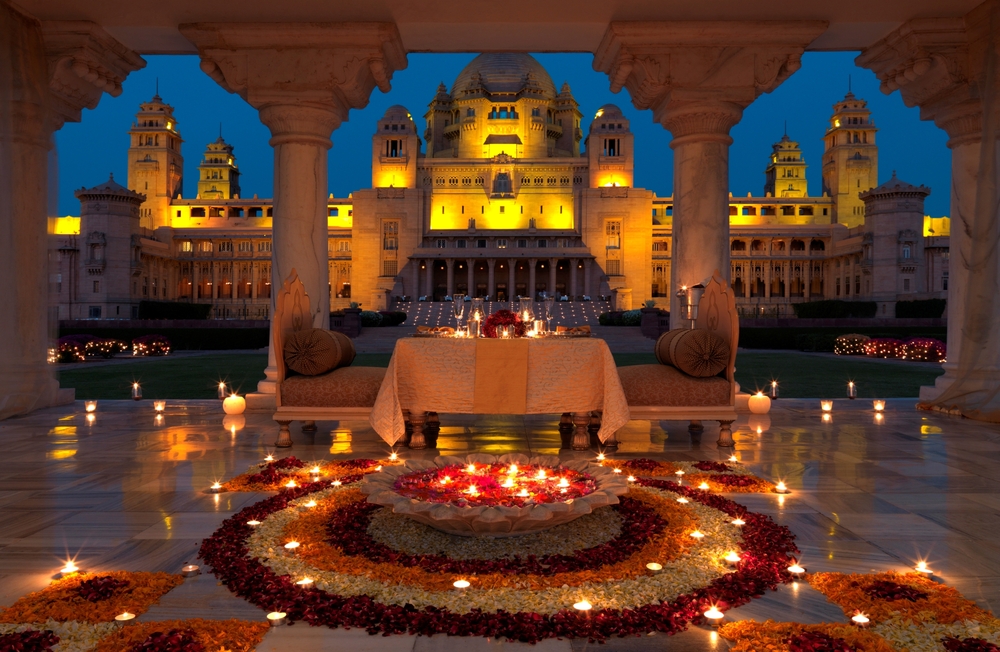
Udaipur – The City That Slows You Down
Most cities in India ask you to keep moving whereas Udaipur encourages you to slow down.
Morning light sparkles across Lake Pichola while boats glide between marble palaces, and the City Palace rises above the water like it’s keeping watch. Cafés, artisan workshops, quiet laneways — nothing here is asking to be rushed.
It’s a romantic city, sure. But what stays with you isn’t the beauty so much as the ease of the place: a long lunch, watching the light shift on the water, the freedom to wander without needing to be anywhere in particular.
As evening falls, find a terrace above the lake and watch the colours change. Udaipur has a gentle elegance that doesn’t leave you, even after you have left.
The Travelling Divas Edit
Lake Pichola – Take a boat ride in the late afternoon, right as the city starts to soften into evening.
Ambrai – A memorable dinner spot with views across the lake towards the illuminated City Palace.
The old city – Walk the narrow streets and markets for silver, textiles, and rooftop dining. Put away the map and just wander.
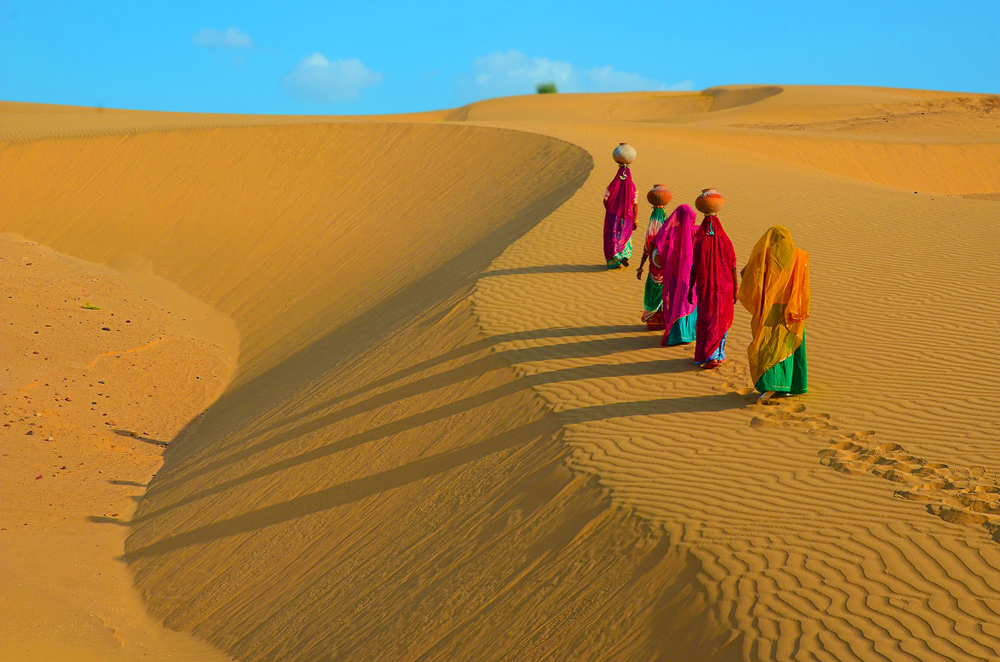
Jaisalmer – Where the Desert Begins
Head far enough west and the landscape changes completely.
Jaisalmer’s honey-coloured sandstone seems to rise straight out of the Thar Desert, turning gold as the sun moves overhead. Unlike a lot of historic forts, Jaisalmer Fort is still a living community — homes, temples, cafés and small businesses all operating within walls that have stood for centuries.
It feels like a different Rajasthan entirely — drier, harsher, more dramatic than the lakes and green hills further east. Carved havelis hint at the wealth of the merchants who once traded along the desert routes, and the fort’s narrow lanes open up onto views that seem to run on forever.
Then there’s the desert itself — vast, still, and unlike anything else in the state.
The Travelling Divas Edit
Jaisalmer Fort – One of the world’s few living forts and a place best explored slowly, ideally in the early morning.
Patwon Ki Haveli – A collection of merchant mansions known for their exquisitely carved sandstone façades.
The Thar Desert – pend an evening beneath the stars if you can, away from the busier camps.
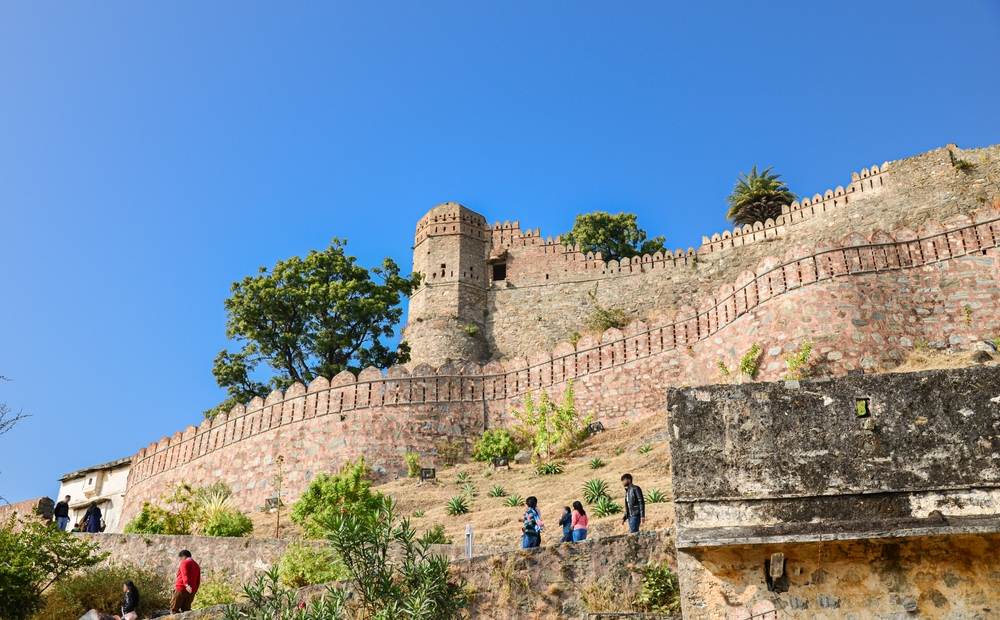
Kumbhalgarh – Rajasthan’s Hidden Giant
While visitors naturally gravitate towards Amber and Mehrangarh, Kumbhalgarh quietly waits among the Aravalli Hills.
Its defensive wall runs for more than 36 kilometres — often called the second-longest continuous wall in the world, after the Great Wall of China.
The history alone is worth the trip, but so is the setting. Rugged hills, far fewer visitors, a stillness that Rajasthan’s bigger cities don’t have. It’s remote and dramatic in a way that feels untouched by modern tourism.
This is also the birthplace of Maharana Pratap, one of Rajasthan’s most revered rulers, and the sheer scale of the fort tells you a lot about how important this kingdom once was.
Honestly, it’s one of those places where you leave wondering why more people haven’t heard of it.
The Travelling Divas Edit
The fort wall – Walk a section of it to get a sense of the scale, and the landscape it was built to protect.
Late afternoon light – Stay long enough to see the surrounding hills change colour as the sun begins to drop.
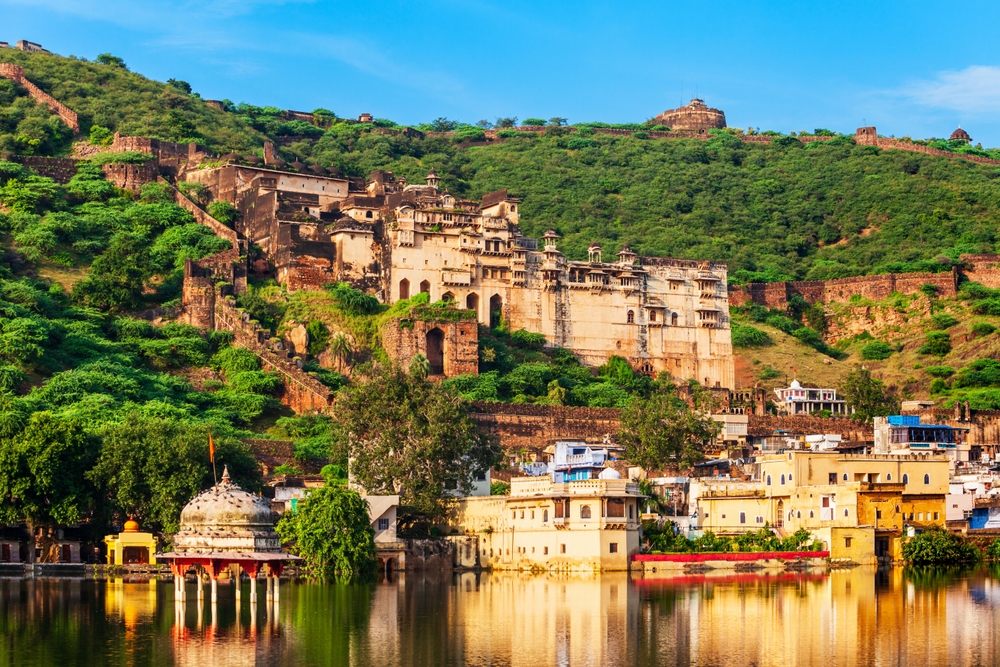
Bundi – Rajasthan’s Beautiful Secret
If you like finding places before everyone else does, Bundi might become your favourite.
Overshadowed by Rajasthan’s bigger names, this small town has faded palaces, intricate stepwells, blue-painted streets, and a pace of life that feels almost deliberately unhurried.
Artists here keep the region’s miniature painting traditions alive, and Taragarh Fort watches over it all. Bundi Palace’s murals remain surprisingly vivid, and its stepwells are as much a feat of engineering as they are beautiful.
Bundi doesn’t have the polish of Jaipur or Udaipur — and that’s exactly the point. It feels lived-in, real, unhurried.
The Travelling Divas Edit
Raniji ki Baori – One of Bundi’s most impressive stepwells, with ornate stonework and a wonderfully atmospheric sense of history.
Taragarh Fort – Dramatic, weathered and far less crowded than Rajasthan’s better-known forts.
Miniature painting studios – Spend time with an artist continuing Bundi’s distinctive school of miniature painting.
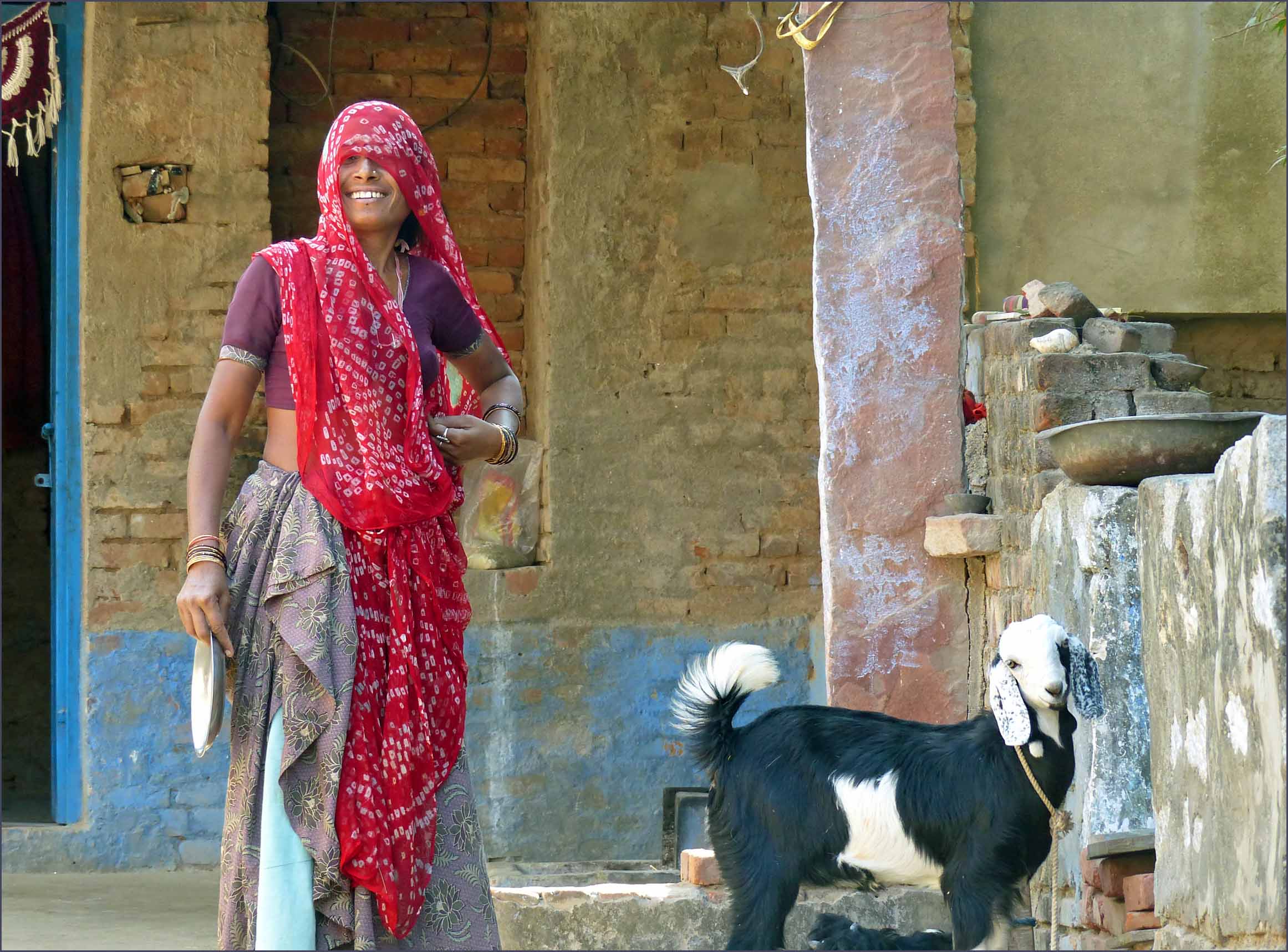
Slow Rajasthan – Beyond the Cities
This is where the landscape softens, the rhythm slows and the journey becomes less about what you are seeing and more about how you are experiencing it.
Some of the best travel through Rajasthan happens once you leave the famous names behind.
Here, the landscape softens and the trip becomes less about what you’re seeing and starts being more about how you’re experiencing it. Villages like Narlai invite you to wander quiet lanes, stop into local temples, and watch a way of life that hasn’t changed much in generations. A heritage stay might include a village walk, tea by a lake, or dinner lit by hundreds of candles beside an old stepwell.
These moments rarely make the cover of a guidebook. They’re often the ones people remember the most.
Heritage homes offer a different kind of Rajasthan altogether. Devi Shree, a beautifully restored family home, puts hospitality front and centre — elegant without trying too hard, personal in a way a large hotel just can’t match.
Luxury here isn’t always about chandeliers or star ratings. Sometimes it’s a well-cooked meal, a conversation with your hosts, the feeling of being welcomed into someone’s home instead of just checked into a room.
The Travelling Divas Edit
Narlai – A heritage village for a slower, more personal look at rural Rajasthan. The stepwell here is worth the trip alone.
Devi Shree – A luxe homestay with thoughtful design, local character, and genuinely warm hospitality.
Leave room in the itinerary – for village walks, cups of chai, unexpected conversations, and sundowners by a lake.

The Taj Mahal – Yes, We Know
Before anyone points it out: no, the Taj Mahal isn’t in Rajasthan. It’s in Agra.
But if you’re already travelling through northern India, skipping one of the world’s great architectural masterpieces would be a hard call to defend. Every good edit deserves one rule-breaker — and this archive shot, full of joy from Donna, Zoe and Jessica, was one we couldn’t leave out.
No photograph really prepares you for the first glimpse of it. At dawn, the white marble shifts colour as the sun rises, revealing detail that’s captivated visitors for centuries. It’s romantic, obviously, but it’s also a monument to craftsmanship and symmetry on a scale that’s hard to process in person. Familiar as the image is, standing in front of it is something else entirely.
Some places really are famous for good reason.
The Travelling Divas Edit
Go early – Sunrise offers softer light, cooler temperatures and a more peaceful first encounter.
Look beyond the central view – The inlaid stonework, calligraphy and architectural symmetry deserve as much attention as the photo everyone takes.
Agra is more than the Taj – Visit the ‘Baby Taj’, the building that inspired the main event, along with Agra Fort (a striking 16th-century fortress) and Kinari Bazaar for spices, fabric and more.
Rajasthan Is Never Finished
This barely scratches the surface, honestly.
Rajasthan is one of India’s largest and most fascinating states, and no two travellers would come away with the same list of favourites. Pushkar’s sacred lake, the tigers of Ranthambore, the Jain temples at Ranakpur, the painted havelis of Shekhawati — there are entire chapters we haven’t even opened.
Desert communities, textile traditions, wildlife reserves, old merchant towns, contemporary designers, family-run hotels, and the people whose stories keep shaping this state — there’s always more.
Maybe that’s the best compliment we can pay Rajasthan. No matter how many times we go back, it finds another story to tell, another person worth meeting, another corner we somehow missed before.
Rajasthan is never finished. And that is exactly why we know we’ll be back.