
Eleven beautiful hotels—and the women whose vision brought them to life
Where you choose to stay matters. As many of you know I am a self-confesssed hotel snob and where we stay when travelling is always part of the journey, not somewhere to leave our bags and run out the door. It is a home from home.
A hotel may begin with architecture, landscape and design, but the places we remember tend to offer something less tangible: a strong sense of identity, a generosity of spirit and the feeling that every detail exists for a reason.
Increasingly, some of the world’s most compelling independent hotels are being created, owned and led by women. These women are not simply adding their names to an established hospitality formula. They are questioning the formula itself—building places around art, heritage, community, conservation and their own deeply personal understanding of how it feels to be welcomed.
At Travelling Divas, identifying and supporting women-led businesses is not a fashionable add-on or a neatly packaged statement. It is part of how we want to move through the world.
When we choose the work of a local artisan, dine in a woman-owned restaurant or stay in a hotel shaped by a woman’s vision, we participate in something larger. We help direct recognition and economic opportunity towards women. We make their stories more visible and, quite simply, we encounter places with character.
These eleven hotels demonstrate what can happen when women decide to create hospitality on their own terms.
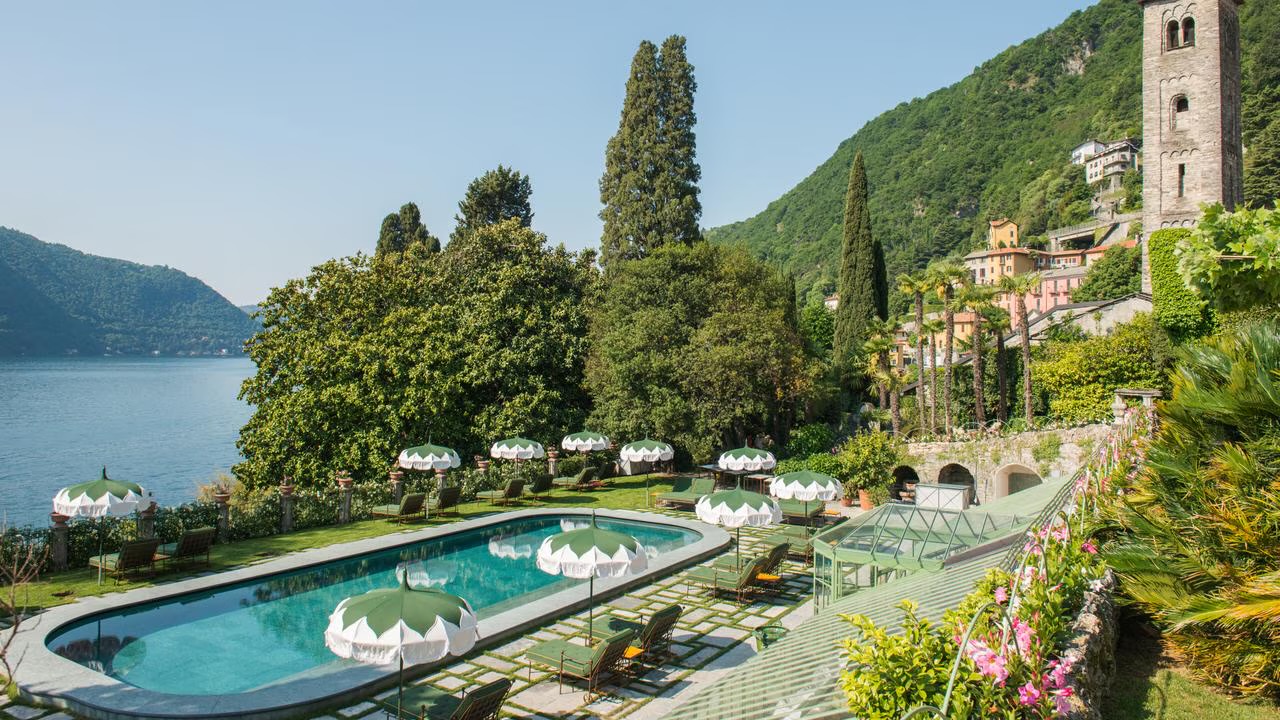
Passalacqua, Lake Como
Passalacqua
Lake Como, Italy
Valentina De Santis grew up within the world of Lake Como hospitality, but Passalacqua is no routine continuation of a family business. When the magnificent 18th-century villa came onto the market, the De Santis family fought to keep it from disappearing into foreign ownership.
Its restoration became an intensely personal undertaking. Murano chandeliers were commissioned for individual rooms, rare marbles were selected for the bathrooms and generations of Italian craftsmanship were brought together within the villa’s historic walls. Passalacqua opened in 2022 and, little more than a year later, was named the world’s best hotel.
The acclaim may be extraordinary, but the real achievement is the hotel’s personality. It feels less like a polished international product and more like a singular Italian home—albeit one of almost unimaginable beauty.
https://www.passalacqua.it/en/
Fogo Island Inn
Newfoundland, Canada
Zita Cobb’s story begins and ends on Fogo Island. An eighth-generation islander, she left Newfoundland, built a successful career in technology and eventually returned to a community devastated by the collapse of the cod-fishing industry.
Her response was Fogo Island Inn: a striking 29-room hotel owned through a charitable foundation and designed so that its financial surplus returns to the island community.
Furniture is made by local craftspeople. Food reflects the island and its seasons. Employment, culture and economic resilience are treated as inseparable parts of the guest experience. Fogo Island Inn is proof that a remarkable hotel can serve its visitors beautifully while remaining answerable to the place and people who made it possible.
The Royal Portfolio
South Africa
Liz Biden began her hotel career at 50, after selling her fashion business and discovering that retirement held very little appeal.
Together with her husband, she began transforming the family’s holiday properties into intimate hotels. Today, The Royal Portfolio includes four distinctive South African addresses, from the Greater Kruger National Park and the Cape Winelands to the dramatic Silo Hotel above Cape Town’s Zeitz Museum of Contemporary Art Africa.
She has personally designed every room. Her interiors are confident and alive with art, colour, antiques and objects collected over many years. Nothing feels selected by committee—and that is precisely their charm.
Her story is also a delicious reminder that reinvention does not belong exclusively to the young. A new chapter begun at 50 can become an internationally admired body of work.
https://www.theroyalportfolio.com/
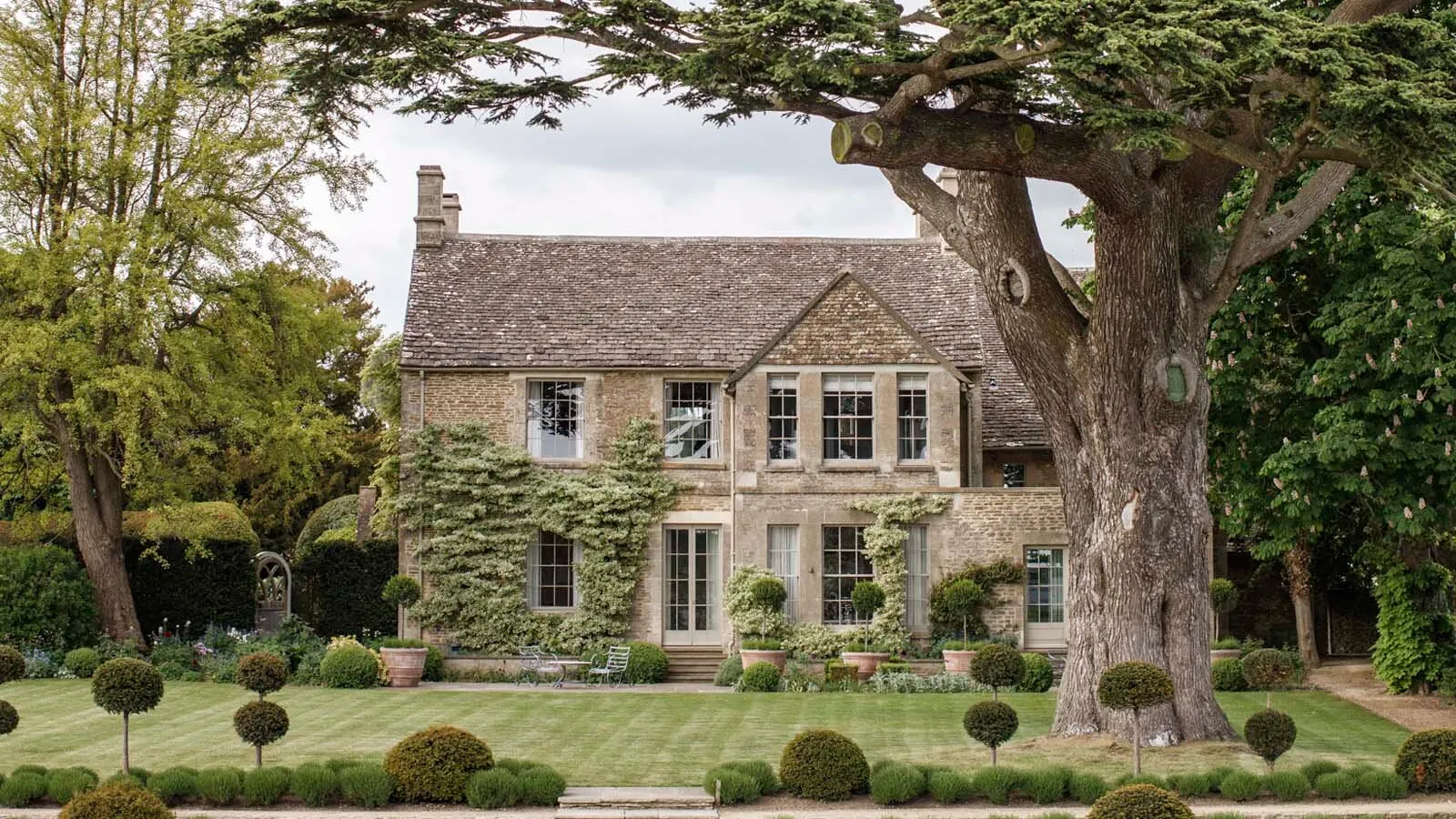
Thyme, Costwolds
Thyme
The Cotswolds, England
Caryn Hibbert left medicine to create Thyme, beginning with a cookery school and gradually developing it into a 31-room country estate. Her daughter Milly now leads its day-to-day life, carrying the family vision into a second generation.
Set among 150 acres of farmland, gardens and carefully restored Cotswolds countryside, Thyme has grown according to its surroundings rather than imposing itself upon them. The farm supplies the kitchens, the botanical gardens inform the spa and the changing seasons influence the rhythm of the guest experience.
It is a thoughtful expression of country life, shaped not by nostalgia but by a living relationship with the land.
Lily of the Valley
La Croix-Valmer, France
Lucie Weill came to hospitality through fashion, having worked with Bell & Ross and Givenchy. Yet, after years spent helping realise other people’s ideas, she wanted to build something that reflected her own.
Working with her father and designer Philippe Starck, Weill created Lily of the Valley on the Côte d’Azur. Her proposition was refreshingly unpunishing: wellbeing should not require the abandonment of pleasure.
Here, delicious food and serious wellness coexist. The surroundings are polished but never clinical, and health is approached as an expansive way of living rather than a regime of deprivation. It is a philosophy many women will understand instinctively.
https://www.lilyofthevalley.com/
Angama Mara
Maasai Mara, Kenya
By the time Nicky Fitzgerald created Angama Mara, she had spent four decades developing more than 50 safari lodges across Africa and India.
The lodge occupies an extraordinary position high above Kenya’s Mara Triangle, overlooking the plains from the edge of the Great Rift Valley. Its glass-fronted suites make the landscape the undeniable focus.
Following the death of her husband and business partner, Steve, in 2017, Fitzgerald took on the role of CEO. She subsequently guided Angama through the pandemic before stepping back in 2022, leaving behind a property shaped by an exceptional depth of knowledge, resilience and affection for Africa.
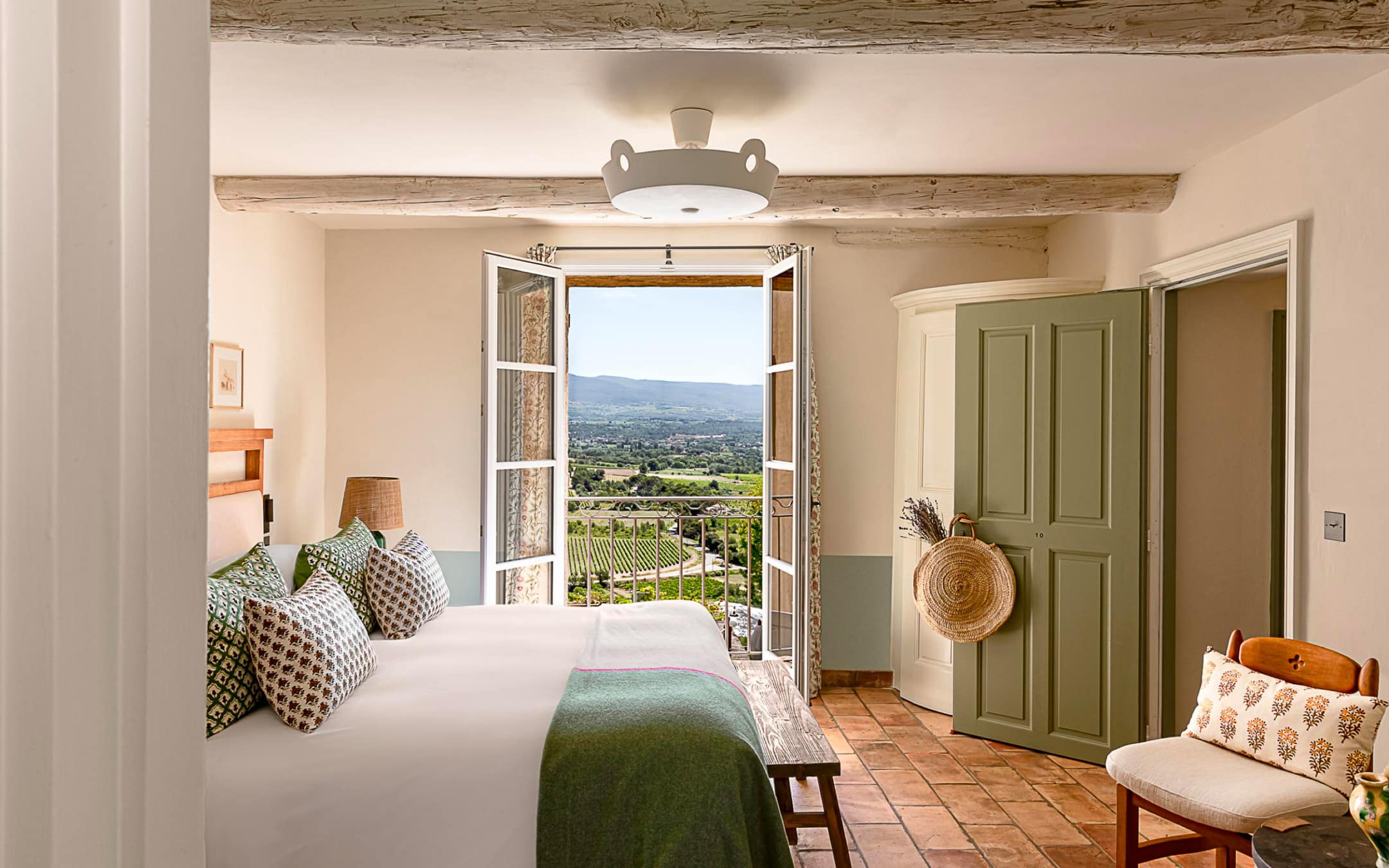
Crillon le Brave
Provence, France
Sisters Kimberley Cohen and Leslie Kouhana lead Maisons Pariente, the family hospitality group behind Crillon le Brave.
Rather than occupying one imposing building, the hotel unfolds through a collection of centuries-old stone houses within a Provençal hilltop village. Vineyards and lavender fields spread below, while Mont Ventoux rises in the distance.
The pleasure here is found in the relationship between hotel and village. There is no need for manufactured theatre when the landscape, architecture and gentle rhythm of daily life are allowed to speak so eloquently for themselves.
https://www.crillonlebrave.com/
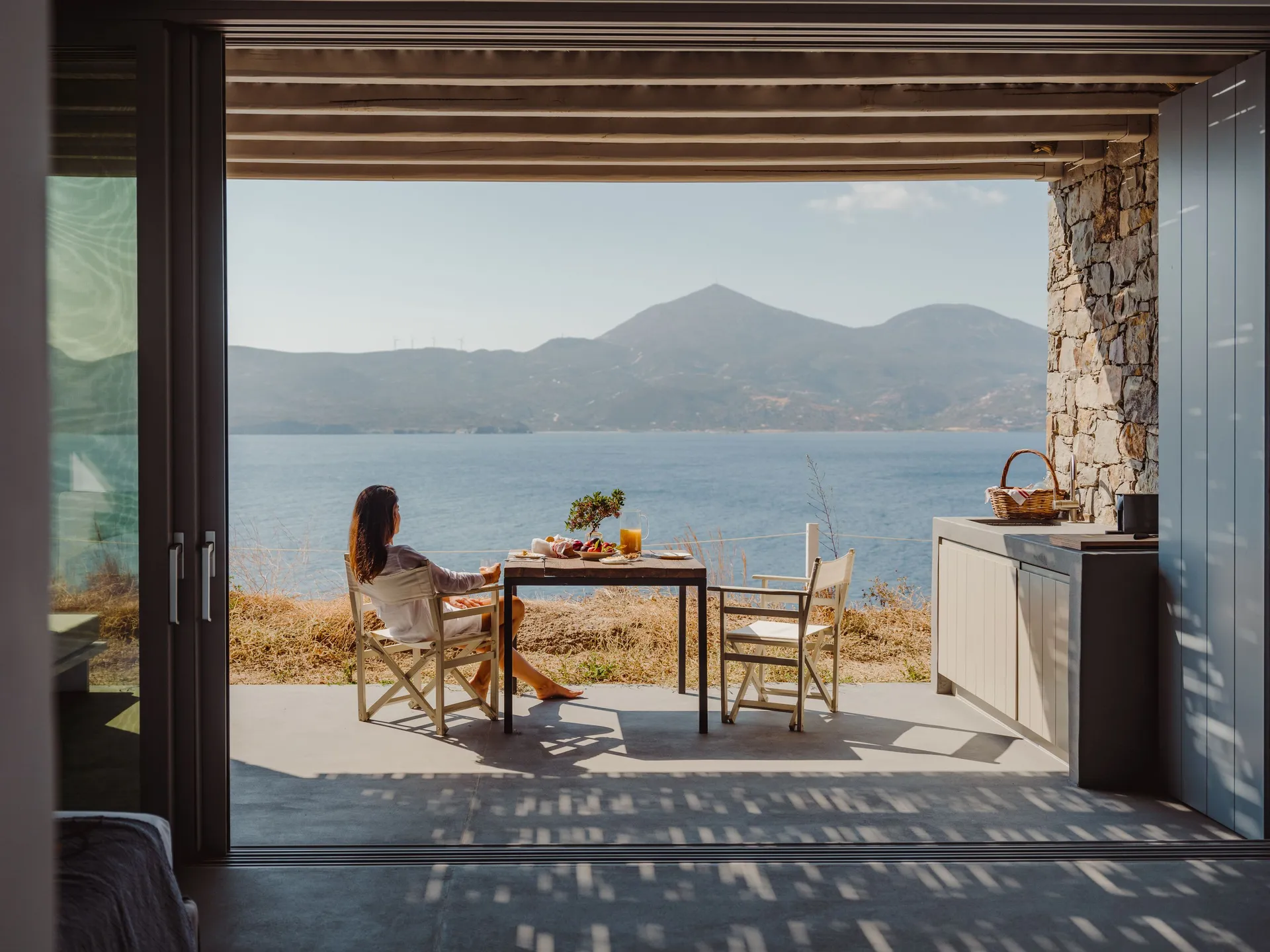
Skinopi Lodge, Milos
Skinopi Lodge
Milos, Greece
Nausika Georgiadou first visited Milos at 18 and began a relationship with the island that would shape her life.
After converting an old village house into a guesthouse, she spent ten years acquiring the small parcels of land that would eventually become Skinopi Lodge: seven restrained stone villas positioned above a fishing village and facing the Aegean sunset.
The architecture was designed to defer to the landscape rather than compete with it. Georgiadou has also established an environmental organisation dedicated to protecting the marine environment of Milos from industrial pollution.
Her work illustrates the depth of commitment that can develop when a hotelier is not merely operating in a destination, but actively caring for it.
57 Nord
Scottish Highlands
Mumtaz Lalani recognised that the Scottish Highlands offered plenty of beautiful scenery but relatively few intimate, design-conscious places from which to experience it.
She responded by creating 57 Nord, two minimalist houses whose Scandinavian-influenced interiors sit quietly within the rugged Highland landscape.
Lalani’s attention did not stop with the buildings. She also pursued qualifications through the Court of Master Sommeliers, adding another layer of expertise to the guest experience. The result is small in scale but ambitious in thought—a place built around the idea that remoteness and refinement can sit very comfortably together.
MAANA
Kyoto, Japan
Childhood friends Hana Tsukamoto and Irene Chang founded MAANA from a belief that hospitality could help preserve Kyoto’s cultural and architectural inheritance.
Their carefully restored machiya townhouses invite guests into the domestic rhythms of the city, bringing together traditional architecture, local craftsmanship and everyday rituals.
Rather than borrowing fragments of Japanese tradition as decoration, MAANA treats that tradition as something alive. Artisans, materials and historic buildings remain central to the experience, giving guests a more intimate understanding of Kyoto while helping ensure its knowledge and craftsmanship endure.
Violino d’Oro
Venice, Italy
It took Sara Maestrelli and her aunt Elena six years to find the right home for their Venetian vision. When they finally discovered three adjoining historic buildings near Piazza San Marco, they brought them together to create Violino d’Oro: an intimate 32-room hotel shaped by the female lineage of their family hospitality business, Collezione Em.
Rather than recreating a Venice preserved behind glass, Sara and Elena wanted the hotel to celebrate the city as a living centre of Italian artistry. Venetian seminato floors were laid by hand, Rubelli fabrics woven locally and rooms filled with Murano glass, contemporary art, antiques and bespoke furniture crafted between Venice and Tuscany.
The result feels less like a conventional hotel and more like the private home of an exceptionally stylish Venetian collector.
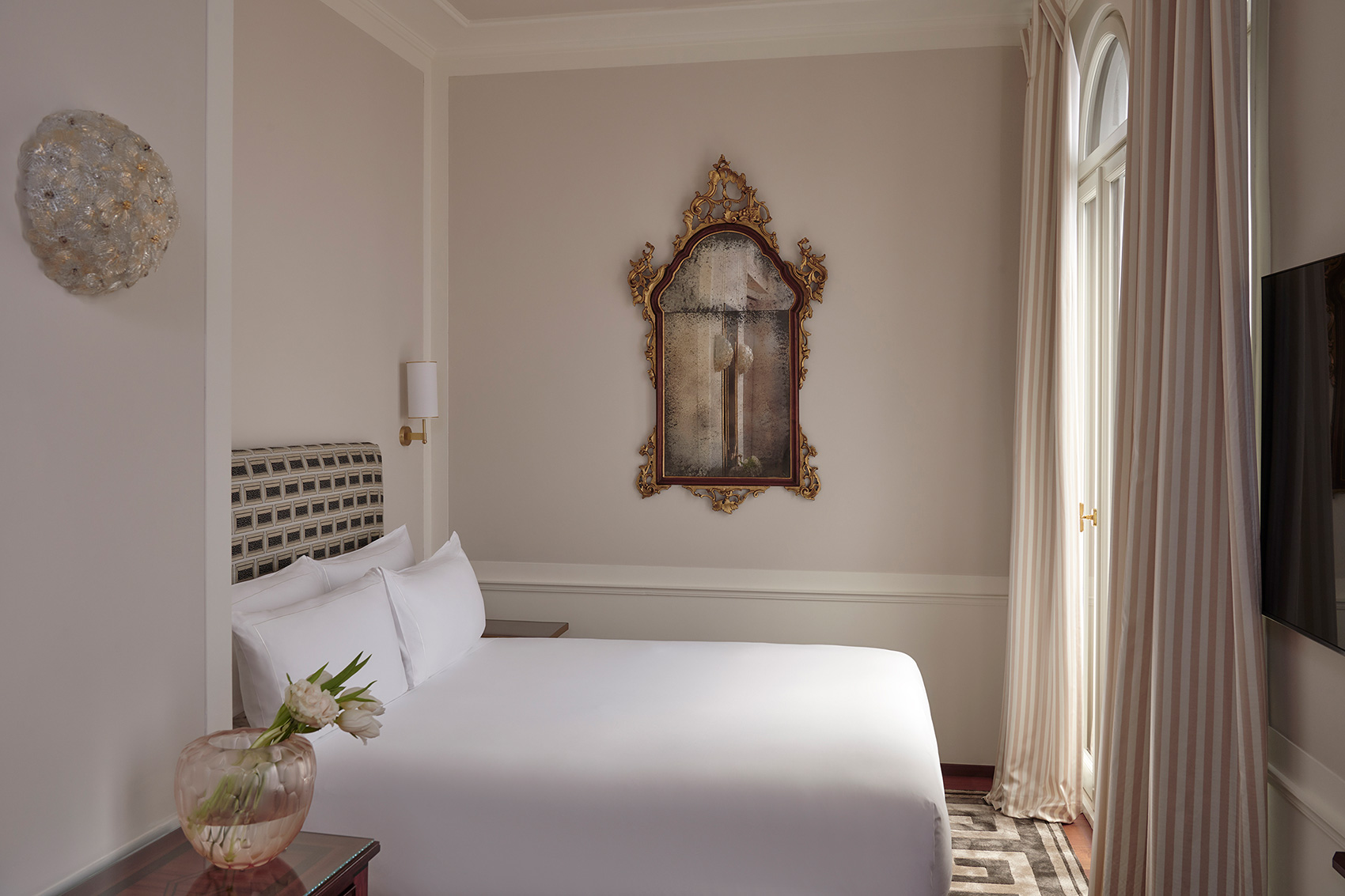
Hotel Violino D’Oro
A Beautiful Choice
The importance of supporting women-led hotels is not that women possess one particular style of hospitality. These properties are far too individual for that.
What connects them is conviction. Each began with a woman who saw something differently: an island community worth rebuilding, a landscape worth protecting, a historic building worth saving or an idea that simply refused to leave her alone.
Collectively, these hotels remind us that our travel choices have influence. Every booking is, in its own small way, an endorsement. It says that this person’s vision deserves to succeed, that this community’s story deserves to continue and that there should be more room for women to own, create and lead.
At Travelling Divas, we believe in seeking out these women and showcasing their expertise, not as a gesture but because doing so makes travel infinitely more interesting.
When women bring their ideas fully to life, they do not simply create beautiful places to stay. They create places with something to say.
Inspired by a summer holiday in Europe and Lobby Riot x